

Few conversations divide Afrobeats fans quite like the comparison between Asake and Seyi Vibez.
Open X, TikTok, Facebook, or the comment section of almost any Nigerian music blog, and the debate is never far away. One side points to Asake’s global achievements and chart dominance. The other argues that Seyi Vibez represents the streets more authentically and delivers a level of emotion that resonates deeply with his loyal fanbase.
The truth is that both artists have helped redefine modern street-pop, but they are now operating from very different positions in their careers.
Why They’re Constantly Compared
The comparison isn’t random.
Both artists emerged by blending Yoruba influences with Afrobeats, Fuji-inspired melodies, Apala rhythms, and log-drum-driven production. Their music often speaks to hustle, faith, survival, success, and everyday realities, making them relatable to millions of young Nigerians.
Because they occupy similar sonic territory, fans naturally compare everything—from vocals and songwriting to live performances and streaming numbers.
Asake’s Global Momentum
Over the past few years, Asake has transformed from a street-pop breakout star into one of Africa’s biggest music exports.
In 2026, that momentum has only grown stronger.
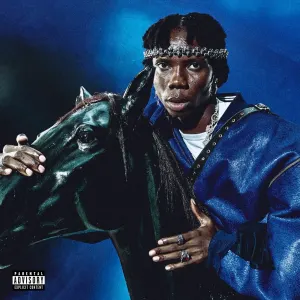
His album M$NEY enjoyed commercial success across multiple countries, while M$NEY Live in London showcased a different side of his artistry through an orchestral performance staged at London’s historic Theatre Royal Drury Lane.
Beyond streaming numbers, Asake has continued to invest in live experiences, international partnerships, and ambitious album concepts that have expanded his audience far beyond Nigeria.
For many fans, that combination of commercial success and artistic evolution places him at the top of today’s street-pop landscape.
Why Seyi Vibez Still Commands Loyalty
While Asake has expanded globally, Seyi Vibez has remained deeply connected to the audience that first embraced his music.
His songs often carry a raw emotional honesty that many listeners believe sets him apart.
Whether he’s reflecting on personal struggles, ambition, or spirituality, Seyi Vibez has built a catalogue that resonates strongly with fans who appreciate storytelling rooted in everyday experiences.
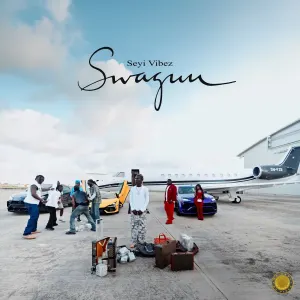
His upcoming album SWAGUU, executive produced by Burna Boy, is also generating significant anticipation, with many expecting it to mark another major step in his artistic growth.
If the project delivers on expectations, it could become one of the defining albums of his career.
Is the Comparison Still Fair?
From a commercial standpoint, Asake currently operates on a larger global scale.
His international visibility, streaming performance, touring success, and premium live productions have elevated him into a different category within Afrobeats.
That, however, doesn’t diminish Seyi Vibez’s impact.
Success in music isn’t measured solely by global numbers. Cultural influence, loyal fan support, and artistic identity are equally important, and Seyi Vibez continues to excel in those areas.
Rather than viewing the conversation as one artist replacing the other, it may be more accurate to see two artists representing different stages of the same movement.
Street-Pop Is Bigger Than One Artist
Perhaps the biggest takeaway from this debate is that it reflects the continued growth of Nigerian street-pop.
A few years ago, conversations of this scale around the genre were rare. Today, artists like Asake and Seyi Vibez are helping take street-inspired sounds to audiences around the world while remaining connected to their roots.
Competition between fanbases will always exist, but the success of one artist doesn’t automatically come at the expense of another.
Both continue to contribute to the global rise of Afrobeats in different ways.
Final Thoughts
At this moment, Asake appears to hold the advantage commercially, with broader international recognition, larger live productions, and a growing global catalogue.
Seyi Vibez, however, remains one of the genre’s most authentic and emotionally resonant voices, and SWAGUUcould become the project that reshapes the conversation once again.
The debate is unlikely to end anytime soon—and perhaps that’s a sign of just how influential both artists have become.
Who do you think is leading the street-pop movement right now? Is it Asake, Seyi Vibez, or do they each dominate in different ways? Share your thoughts in the comments below.

0 comments